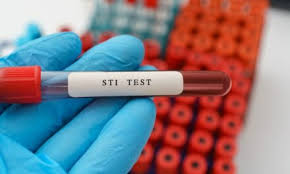
What exactly are STIs?
STIs, or sexually transmitted infections (also known as STDs or venereal diseases), are infections passed from one person to another through sexual contact. They can be caused by bacteria, viruses or parasites.
Are STIs and HIV really a concern for older adults?
Yes. Recent trends show that STIs and HIV are on the rise among older adults. In fact, STI rates in adults age 65 and older have more than doubled in the past decade. Additionally, new HIV diagnoses remain a concern for the 65+ age group. These increases are often linked to greater social activity, longer life expectancy, and more people re-entering the dating scene after divorce or loss.
Is sexual activity normal later in life?
Absolutely. Sexual activity is a normal and fulfilling part of life for many older adults. Whether in long-term relationships or new ones, intimacy continues to play an important role in emotional and physical well-being.
Do STIs and HIV always have symptoms?
No – and this is one of the biggest concerns. STIs and HIV often have no symptoms. A person can have an infection and feel completely healthy, without any noticeable signs.
Can you pass an STI or HIV without symptoms?
Yes. Even without symptoms, STIs and HIV can still be passed to partners. This is why awareness and testing are so important, regardless of how someone feels.
Why is testing important?
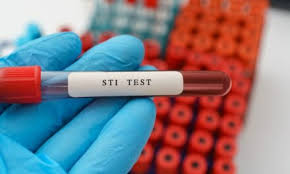
Regular testing helps detect infections early, often before complications develop. Early detection allows for treatment that can prevent long-term or permanent damage and helps protect both you and your partners.
What happens if STIs go untreated?
Untreated STIs in older adults can lead to serious health complications. These may include increased cancer risk, cardiovascular problems, and neurological issues. Because symptoms may be mild or absent, infections can go unnoticed until they cause more serious harm.
Resources for Testing – STI’s and HIV:
Family Planning Services of Lorain County
#GYT (Get Yourself Tested) #STIweek #TalkTestTreat