

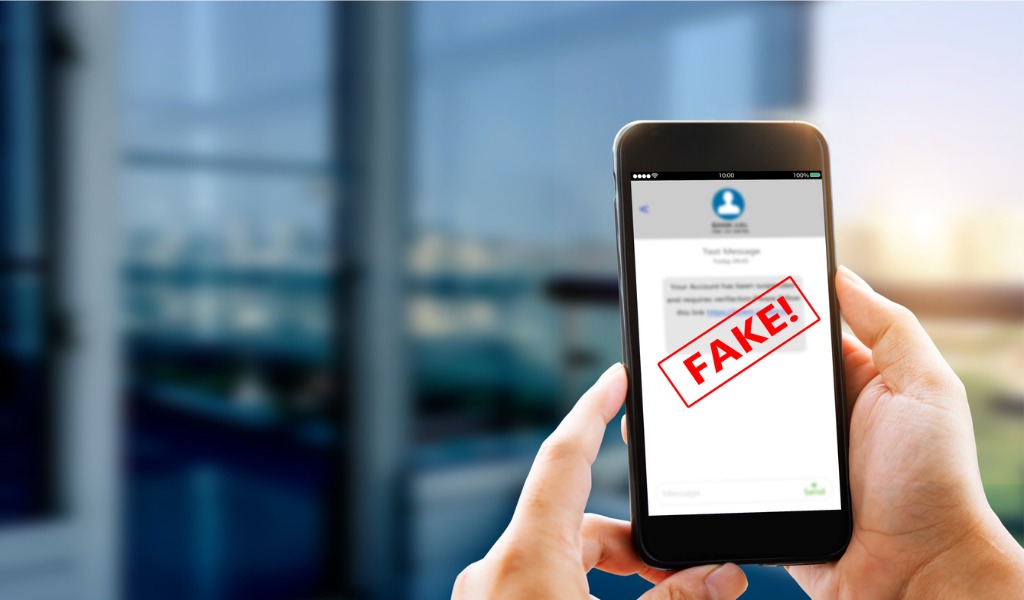
Safeguards against financial schemes and scams are essential for people of all ages, not just seniors and teens. Staying informed about common scam tactics, such as phishing emails, fraudulent phone calls, and deceptive online offers, is a key first step.
To stay safe from scams and phishing, never click links or open attachments in unexpected emails or texts. Never provide personal information to unknown callers.
Today, it recommended that we Enable two-factor authentication (2FA) on all accounts, use strong, unique passwords with a password manager, and verify any urgent request by contacting the organization directly through official channels.
Everyone should regularly review their financial statements, use strong and unique passwords, and be cautious when sharing personal information. In addition, utilizing credit monitoring services and enabling alerts for suspicious activity on accounts can provide added layers of protection. If it seems to be something from a bank- call your bank to ensure they truly have sent you the notification.
One important thing- Medicare and Social Security will never ask for sensitive information via email or text!
By practicing vigilance and encouraging open conversations about financial safety, individuals and families can help prevent falling victim to scams and ensure their financial well-being.
You can also check with the Federal Trade Commission (FTC) on how to avoid common scams.
The FTC will never threaten you, say you must transfer your money to “protect it,” or tell you to withdraw cash or buy gold and give it to someone. That’s a scam.
Report it at ReportFraud.ftc.gov
#EmailSafety #AvoidScams #InternetSafety #ProtectYourself