
Cynthia Balina, MD, Medical Director at McGregor PACE, has built her career around a simple belief: people deserve to be cared for as whole human beings, not as diagnoses, insurance claims, or medical charts.
Dr. Balina began her career at MetroHealth Medical Center caring for patients with complex medical and behavioral health needs. The work was demanding, but it gave her an education that could never come from a textbook alone. She learned how to listen, how to earn trust, and how to meet people where they were, especially those who had been overlooked by the healthcare system.
“I wanted to practice medicine the way it was meant to be done, to make all my training translate to having an impact on people’s lives, “she says.
In hospitals and nursing homes, Dr. Balina often saw patients shuffled from one provider to another, with little continuity and little time for real connection. Doctors came and went. Patients became room numbers. She wanted something different.
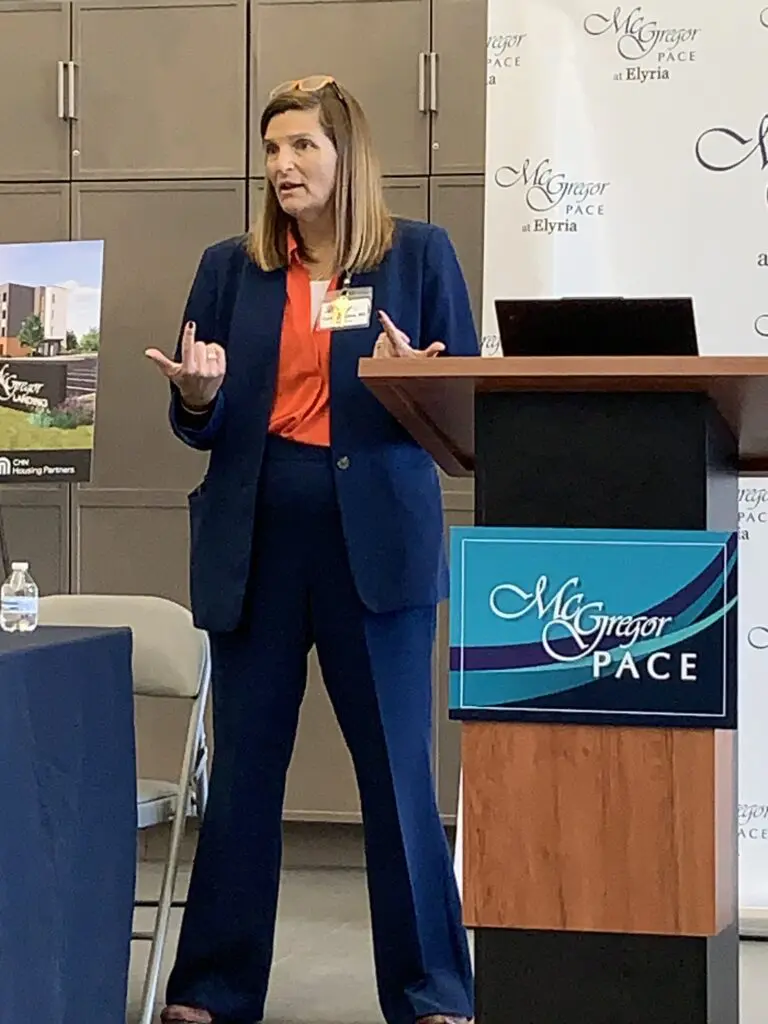
That opportunity came when she was recruited to work for McGregor PACE. At PACE, she found the kind of medicine she had always hoped to practice. “I get to practice primary care serving the participant’s needs, putting them first, without insurance companies dictating every decision, says Dr. Balina.”
The foundation of PACE is simple but powerful: every participant receives an individualized care plan designed around their own goals, values, and life circumstances. “As much as I want to think diabetes is the most important thing, often it’s not,” she explains. “We ask patients what their goals are first. Then we build the right treatment plan around that.”
Sometimes that means helping someone manage chronic illness. Sometimes it means stabilizing housing before worrying about missed appointments. She remembers one participant who had experienced homelessness and struggled to stay connected to care. Instead of making the patient feel ashamed for missing visits, the PACE team focused on building trust and creating a plan that worked for that person’s real life.
“When you stop and talk to people about their whole life, you get to treat the whole person,” she says.
PACE gives her something increasingly rare in modern healthcare: time. Her average appointment lasts an hour. For Spanish-speaking participants, visits may last 90 minutes or longer. The goal is not speed or volume. It is quality, dignity, and continuity.
“PACE doesn’t count widgets,” she says. “They care about people.”
That philosophy becomes especially important as participants age and develop more complicated medical needs. Many are managing long medication lists, chronic illnesses, memory loss or the consequences of difficult life circumstances. Dr. Balina believes none of that should diminish their right to make decisions about their own lives.
“As people age, they may have made poor decisions. They may have lots of medical problems. But they are still real people,” she says. “They deserve respect and dignity. They still have the right to determine their fate.”
One family in particular stays with her. The participant was living with advanced dementia. Many healthcare systems would have quickly recommended institutional care. But the family had one clear goal: to keep her at home, in the house where she raised her family, surrounded by her belongings, memories and husband.
Her husband remodeled the home to make it safer. Family members installed cameras and organized support. The participant attended the PACE center regularly. Yes, there were risks. She no longer remembered her medications or even the day at times. But the family understood something essential: being psychologically safe and emotionally grounded mattered too.
PACE supported that goal. “They understood she had the right to remain in her home,” Dr. Balina says.
Eventually, the participant reached the point where hospice care became necessary. But the years she remained at home were considered a victory. “At PACE, we don’t always measure success in years and months,” she says. “Sometimes we measure it in moments.”
There have been hard days throughout her career, devastating diagnoses, difficult conversations, heartbreaking losses. But there have also been extraordinary moments of joy: ringing the bell after a cancer remission, watching families reunite around a care plan, seeing patients regain stability and trust.
Some participants become so connected to her that they refuse hospital treatment until they are able to speak with her first. That continuity of care is what makes the work meaningful.
Today, the average age of McGregor PACE participants is about 78, though the population has begun trending younger as more people seek comprehensive community-based care. Dr. Balina has also begun focusing on medication management initiatives, helping participants navigate increasingly complicated treatment regimens that can stretch across 20 or more medications.
“We ask people to manage incredibly advanced healthcare these days,” she says. “It can be overwhelming.”
For Dr. Balina, the real reward of PACE: not just helping people live longer, but helping them live with dignity, choice and connection.
#McGregorPACE #PACEProgram #WholePersonCare #AgingWithDignity